









Introduction
Transitioning to or maintaining a vegan lifestyle may seem daunting at first. Many people wonder: What exactly can vegans eat? While some assume veganism is restrictive, it actually unlocks a world of vibrant, plant-based flavors and endless culinary creativity. Whether you’re a long-time vegan or exploring plant-based eating for health, ethical, or environmental reasons, this guide will walk you through essential food groups, meal ideas, and tips for a balanced, satisfying diet.
The Foundation of a Vegan Diet: What’s Always on the Menu?
A vegan diet excludes all animal products—meat, dairy, eggs, and even honey—but embraces nutrient-dense, plant-based alternatives. Here’s a breakdown of the core food groups that make up a thriving vegan diet.
Fruits: Nature’s Sweet and Nutritious Bounty
Fruits are a powerhouse of vitamins, antioxidants, and natural energy. Enjoy them fresh, dried, or blended:
- Fresh picks: Apples, bananas, berries, citrus fruits, and grapes.
- Tropical favorites: Mangoes, pineapples, and papayas.
- Dried options: Dates, figs, and raisins for a quick, energizing snack.
Tip: Blend into smoothies, bake into desserts, or enjoy as a refreshing snack.
Vegetables: The Backbone of Plant-Based Nutrition
Packed with fiber, vitamins, and minerals, vegetables are essential for a well-rounded diet:
- Leafy greens: Spinach, kale, and arugula.
- Root veggies: Sweet potatoes, carrots, and beets.
- Cruciferous choices: Broccoli, cauliflower, and Brussels sprouts.
Meal idea: Roast sweet potatoes with olive oil, garlic, and rosemary for a hearty side dish.
Whole Grains: Fuel for Energy and Satiety
Rich in fiber and complex carbs, whole grains keep you full and energized:
- Staples: Brown rice, quinoa, farro, and barley.
- Breakfast basics: Oats, whole-grain cereals, and buckwheat.
- Breads & pastas: Whole-wheat bread, sprouted grain tortillas, and legume-based pasta.
Pro tip: Combine grains with legumes for a complete protein source.
Legumes: Protein-Packed and Versatile
Beans, lentils, and peas are excellent sources of plant-based protein and iron:
- Beans: Black beans, chickpeas, and kidney beans.
- Lentils: Red, green, and brown varieties for soups, stews, and salads.
- Peas: Split peas or fresh peas for added texture and nutrition.
Recipe idea: Mash chickpeas into hummus or roast them with spices for a crunchy snack.
Nuts & Seeds: Healthy Fats and Crunchy Goodness
These add texture, flavor, and essential nutrients to meals:
- Nuts: Almonds, walnuts, cashews, and pistachios.
- Seeds: Chia, flax, pumpkin, and sunflower seeds.
- Nut butters: Peanut, almond, or cashew butter for spreads and sauces.
Snack idea: Make a trail mix with nuts, seeds, and dried fruit.
Plant-Based Proteins: Beyond the Basics
Innovative vegan proteins make meat-free eating exciting:
- Tofu & tempeh: Great for stir-fries, scrambles, and grilling.
- Seitan: A chewy, wheat-based meat substitute.
- Store-bought options: Plant-based burgers, sausages, and nuggets made from soy, peas, or mushrooms.
Cooking tip: Marinate tofu in soy sauce, garlic, and spices for extra flavor.
Dairy Alternatives: Creamy Without the Cow
Plant-based milks, cheeses, and yogurts offer delicious dairy-free options:
- Milks: Almond, oat, soy, and coconut milk.
- Cheeses: Cashew-based spreads, almond ricotta, or nutritional yeast for a cheesy flavor.
- Yogurts & ice creams: Coconut or almond-based varieties.
Recipe idea: Use oat milk in creamy soups or almond milk in smoothies.
Vegan Snacks & Sweets: Indulge Without Guilt
Satisfy cravings with wholesome or decadent treats:
- Savory snacks: Roasted chickpeas, kale chips, or popcorn with nutritional yeast.
- Sweet treats: Vegan cookies, brownies, or fruit-based ice creams.
- DIY desserts: Banana bread with flax eggs or blended frozen bananas for “nice” cream.
Tips for a Balanced Vegan Diet
- Diversify your plate: Include a variety of colors, textures, and nutrients.
- Balance macros: Ensure meals contain protein, healthy fats, and complex carbs.
- Supplement wisely: Consider B12, vitamin D, and omega-3s if needed.
- Meal prep: Plan ahead to avoid relying on processed foods.
A Sample Day of Vegan Eating
- Breakfast: Overnight oats with chia seeds, almond milk, and berries.
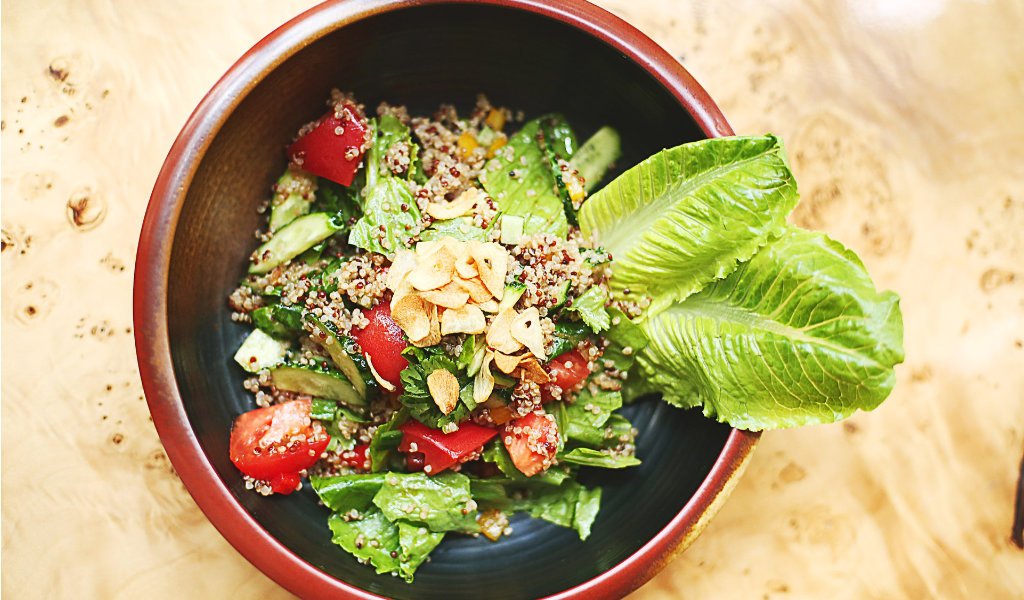
- Lunch: Quinoa bowl with roasted veggies, chickpeas, and tahini dressing.
- Snack: Apple slices with almond butter.
- Dinner: Lentil curry with brown rice and steamed greens.
- Dessert: Dark chocolate with fresh raspberries.
Conclusion
Far from being restrictive, a vegan diet celebrates the abundance of plant-based foods—from hearty grains and protein-rich legumes to sweet fruits and creamy dairy-free treats. With endless possibilities, you can craft meals that are both nourishing and delicious.
Remember, transitioning to veganism is a journey. Take it step by step, experiment with flavors, and soon you’ll discover a world of compassionate, planet-friendly eating that delights your taste buds.
FAQs
Can vegans eat bread?
Yes, many breads are vegan—just check for milk, eggs, or honey.
Is pasta vegan?
Most dry pasta is vegan, but fresh pasta may contain eggs. Always read labels.
Can vegans eat chocolate?
Dark chocolate is often vegan; avoid milk-based varieties.
How do vegans get enough protein?
Legumes, tofu, tempeh, nuts, seeds, and whole grains are excellent protein sources.
Would you like any refinements or additional sections? 😊